

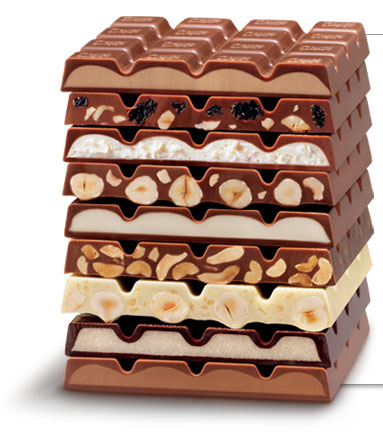
 The Higher Regional Court of Munich decided that the German consumer group “Stiftung Warentest” is not allowed to claim that the chocolate producer “Ritter Sport” is using synthetical flavor for his “Whole Hazelnut Chocolate” instead of the stated natural vanilla flavor.
Background of the Caseand Subject Matter
The German consumer group “Stiftung Warentest” compared nut chocolate bars of different producers and published the results on their website and in their magazine in November 2013. The “Whole Hazelnut Chocolate” of Ritter Sport just gets the evaluation “poor” because Stiftung Warentest is of the opinion that the chocolate contains the artificial vanilla flavoring “piperonal”, which is falsely labeled as a natural flavor. Therefore, the list of ingredients is misleading.
Ritter Sport argued that natural resources also contain piperonal, for example vanilla or pepper. To produce the chocolate, Ritter Sport only uses natural piperonal with methods which are allowed by the Regulation of the European Parliament and of the Council on flavourings and certain food ingredients with flavoring properties. Thus, the claim of Stifung Warentest is wrong.
But, the Consumer group was still convinced that the flavor cannot be obtained in a natural way and therefore they still showed the test results. Therefore Ritter Sport obtained an interim injunction against Stifung Warentest at the Regional Court Munich (I) (13 January 2014/ Case No: 9 O 25477/13). But, Stiftung Warentest appealed the decision.
Decision
The Higher Regional Court of Munich confirmed the first instance decision and rejected the appeal because Stifung Warentest’s claim was not proven. They have no evidence that “piperonal” is not natural. The court also pointed out that because of the importance of their statement, product testers have to examine very carefully if their statements are proper before they publish them.
 As and from 1 October 2014, the Office of Harmonization in the Internal Market (OHIM) will begin examining the classification of international registrations designated in the European Union (EU), for vague terms. This change brings OHIM's practice into line with that of EU national and regional IP offices, as previously outlined in the Common Communication on the implementation of IP Translator (Case C-307/10).
For more information follow the link: https://oami.europa.eu/ohimportal/en/change-in-examination-of-international-registrations-designated-in-the-eu
As and from 1 October 2014, the Office of Harmonization in the Internal Market (OHIM) will begin examining the classification of international registrations designated in the European Union (EU), for vague terms. This change brings OHIM's practice into line with that of EU national and regional IP offices, as previously outlined in the Common Communication on the implementation of IP Translator (Case C-307/10).
For more information follow the link: https://oami.europa.eu/ohimportal/en/change-in-examination-of-international-registrations-designated-in-the-eu
 The report this year shows that counterfeit goods are a danger to different markets and emphasizes the role of customs authorities in stopping such products from illegally entering the EU.
Customs authorities at EU borders detained nearly 36 million goods suspected of infringement with an estimated value of more than 760 million euros. Clothing (12%) and medicines (10%) are among the top categories of goods detained (see below).
The report this year shows that counterfeit goods are a danger to different markets and emphasizes the role of customs authorities in stopping such products from illegally entering the EU.
Customs authorities at EU borders detained nearly 36 million goods suspected of infringement with an estimated value of more than 760 million euros. Clothing (12%) and medicines (10%) are among the top categories of goods detained (see below).
 Nearly 87.000 detention cases were registered by consumers, most of which were incidents involving small parcels in express and postural traffic, most probably a result of internet sales.
 China remains to be the leading source of infringing goods overall, since 66% of all goods detained in 2013 originated there (see below). Turkey is the leading source of fake perfumes and cosmetics, and Egypt for food products.
 As in previous years, the majority of articles detained by customs in 2013 was suspected of infringing a Community or national trademark and covered all product sectors.
 Around 90 %of all detained goods were either destroyed or a court case was initiated to determine the infringement. In almost 8% of the cases, the goods were released because they appeared to be non-infringed original goods or because no action was undertaken by the right holder after receiving notification by the Customs authorities.
The full report can be found under the following link:
http://ec.europa.eu/taxation_customs/resources/documents/customs/customs_controls/counterfeit_piracy/statistics/2014_ipr_statistics_en.pdf
Around 90 %of all detained goods were either destroyed or a court case was initiated to determine the infringement. In almost 8% of the cases, the goods were released because they appeared to be non-infringed original goods or because no action was undertaken by the right holder after receiving notification by the Customs authorities.
The full report can be found under the following link:
http://ec.europa.eu/taxation_customs/resources/documents/customs/customs_controls/counterfeit_piracy/statistics/2014_ipr_statistics_en.pdf
 Decision
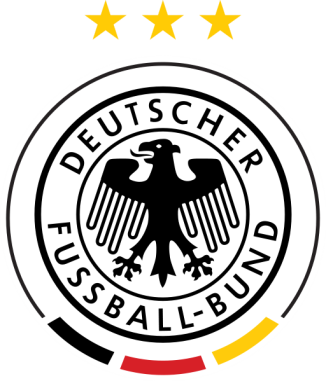
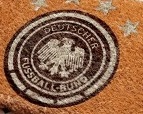
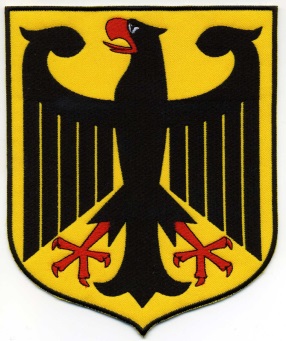
The Regional Court of Munich (I) decided that there is likelihood of confusion between the logo of the German Football Association and the one used by REAL. Therefore, REAL has infringed the rights of the Association.
Note: It remains to be seen if the German Football Association will file and prevail in a main court action and if, e.g., the German Trademark No. 30 2012 058 752 “Deutscher Fußball Bund” (word/device mark) inclusive the “eagle” will remain registered or if the mark will be cancelled from the register of the Trademark Office.
Decision
The Regional Court of Munich (I) decided that there is likelihood of confusion between the logo of the German Football Association and the one used by REAL. Therefore, REAL has infringed the rights of the Association.
Note: It remains to be seen if the German Football Association will file and prevail in a main court action and if, e.g., the German Trademark No. 30 2012 058 752 “Deutscher Fußball Bund” (word/device mark) inclusive the “eagle” will remain registered or if the mark will be cancelled from the register of the Trademark Office.
 The world’s fifth largest national Patent and Trademark Office (GPTO) contributes greatly to the protection of technical and industrial innovations in Germany. This protection is of upmost importance for companies. The GPTO grants, registers and administers the industrial property rights, e.g. patents, utility models, trademarks and designs in Germany. But, it also provides information to the public. Therefore, the GPTO has just published its annual report 2013, which includes information and statistics regarding all IP rights.
Patents
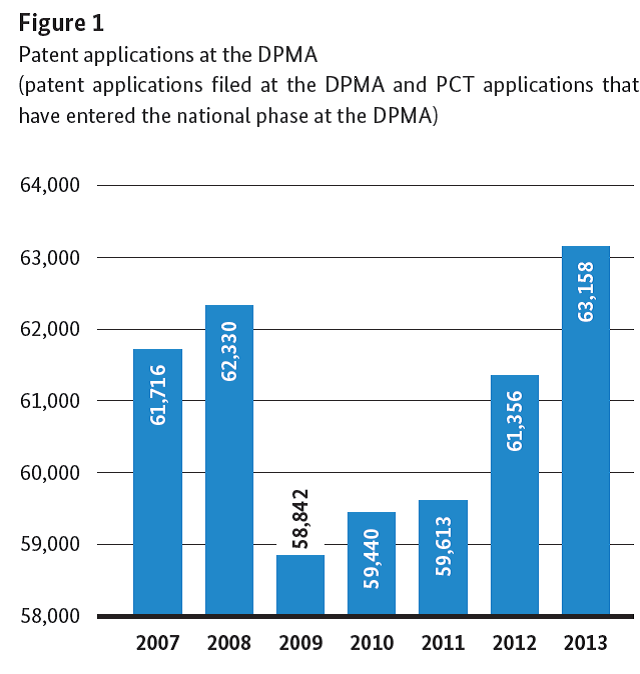
After the decline in applications during the financial crisis, in 2013 a high level of filing activity was again reached. Therefore, the applications filed at the GPTO increased to more than 63.000. Most of the patent applications were filed in the sectors: vehicles in general, engineering elements or units and basic electric elements. The ten most active national and foreign companies and institutions are: Robert Bosch GmBH (4.144 applications), Schaeffler Technologies AG & Co KG (2.100 applications), Daimler AG (1.854 applications), Siemens AG (1.784 applications), GM Global Technology Operations LCC (1.289 applications), Bayrische Motoren Werke AG (1.182 applications), Ford Global Technologies LLC (1.060 applications), Audi AG (1.027 applications), Volkswagen AG (836 applications), ZF Friedrichshafen AG (708 applications).
The world’s fifth largest national Patent and Trademark Office (GPTO) contributes greatly to the protection of technical and industrial innovations in Germany. This protection is of upmost importance for companies. The GPTO grants, registers and administers the industrial property rights, e.g. patents, utility models, trademarks and designs in Germany. But, it also provides information to the public. Therefore, the GPTO has just published its annual report 2013, which includes information and statistics regarding all IP rights.
Patents
After the decline in applications during the financial crisis, in 2013 a high level of filing activity was again reached. Therefore, the applications filed at the GPTO increased to more than 63.000. Most of the patent applications were filed in the sectors: vehicles in general, engineering elements or units and basic electric elements. The ten most active national and foreign companies and institutions are: Robert Bosch GmBH (4.144 applications), Schaeffler Technologies AG & Co KG (2.100 applications), Daimler AG (1.854 applications), Siemens AG (1.784 applications), GM Global Technology Operations LCC (1.289 applications), Bayrische Motoren Werke AG (1.182 applications), Ford Global Technologies LLC (1.060 applications), Audi AG (1.027 applications), Volkswagen AG (836 applications), ZF Friedrichshafen AG (708 applications).
 Trademarks
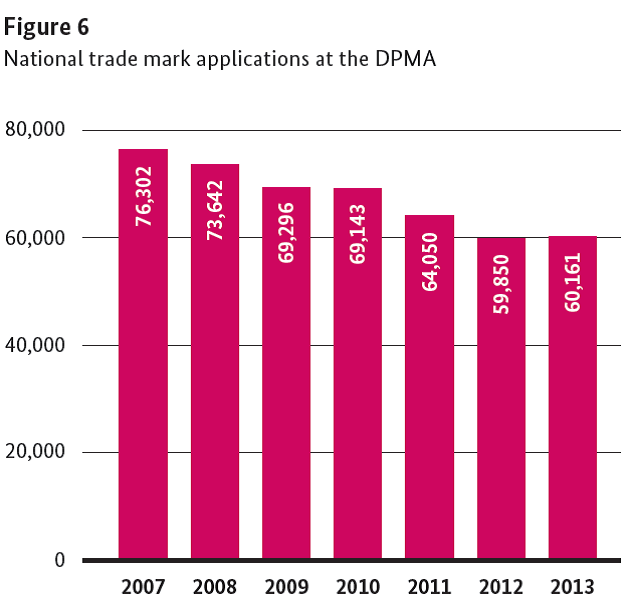
Trademark filings have also slightly increased over the previous year (see below). The applications include 60.161 national applications and 4.805 requests for the extension of protection based on international registrations. A similar picture is given for Community Trademarks, which are examined by the Office for Harmonization in the Internal Market (OHIM). In 2013, 20.035 applications filed at OHIM originated from Germany, compared to 20.050 in 2012. Accordingly, the ratio of German trademarks to Community Trademarks filed by German applicants was 75:25. This suggests a strong export orientation of German companies towards the European Union. Among the big European countries (Germany, France, the UK, Italy and Spain) only the UK has a similar ratio of national applications to applications for Community Trademarks. The trademark applications 2013 are mostly in the fields of class 41 (Education, sporting and cultural activities), class 35 (advertising, business management) and class 9 (electrical apparatus and instruments). The ten largest trademark filers at the GPTO in 2013 were: Boehringer Ingelheim International GmbH (138 applications), Deutsche Telekom AG (84 applications), Vodafone GmbH (67 applications), VOLKSWAGEN AG (60 applications), Daimler AG (59 applications), Fraunhofer-Gesellschaft e.V. (58 applications), Henkel AG & Co. KGaA (58 applications), Merck KGaA (55 applications), Bayer Intellectual Property GmbH (44 applications).
Trademarks
Trademark filings have also slightly increased over the previous year (see below). The applications include 60.161 national applications and 4.805 requests for the extension of protection based on international registrations. A similar picture is given for Community Trademarks, which are examined by the Office for Harmonization in the Internal Market (OHIM). In 2013, 20.035 applications filed at OHIM originated from Germany, compared to 20.050 in 2012. Accordingly, the ratio of German trademarks to Community Trademarks filed by German applicants was 75:25. This suggests a strong export orientation of German companies towards the European Union. Among the big European countries (Germany, France, the UK, Italy and Spain) only the UK has a similar ratio of national applications to applications for Community Trademarks. The trademark applications 2013 are mostly in the fields of class 41 (Education, sporting and cultural activities), class 35 (advertising, business management) and class 9 (electrical apparatus and instruments). The ten largest trademark filers at the GPTO in 2013 were: Boehringer Ingelheim International GmbH (138 applications), Deutsche Telekom AG (84 applications), Vodafone GmbH (67 applications), VOLKSWAGEN AG (60 applications), Daimler AG (59 applications), Fraunhofer-Gesellschaft e.V. (58 applications), Henkel AG & Co. KGaA (58 applications), Merck KGaA (55 applications), Bayer Intellectual Property GmbH (44 applications).
 Designs
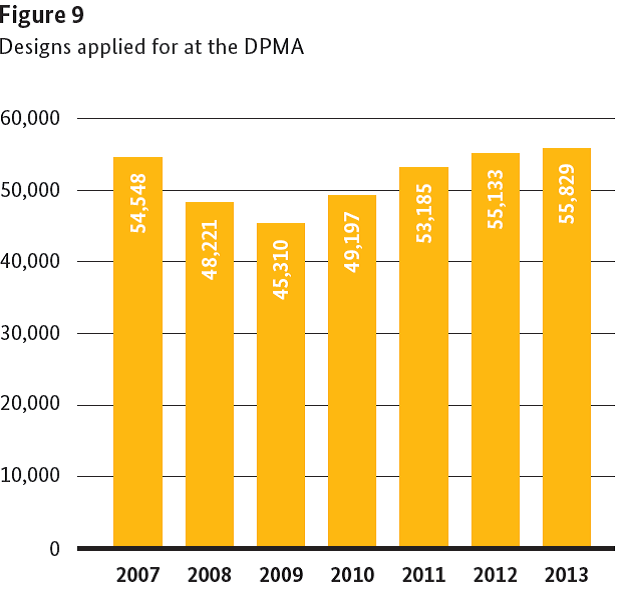
In 2013, also an increase of design applications could be observed. The GPTO received 6.388 applications (2012: 6.330) covering 55.829 (2012: 53.133) designs. The number of designs filed increased by 1.3%, - the applications by 0.9%. Furnishing, Textile piecegoods, artificial and natural sheet material as well as graphic symbols and logos, surface patterns and ornamentation were the main sectors.
Designs
In 2013, also an increase of design applications could be observed. The GPTO received 6.388 applications (2012: 6.330) covering 55.829 (2012: 53.133) designs. The number of designs filed increased by 1.3%, - the applications by 0.9%. Furnishing, Textile piecegoods, artificial and natural sheet material as well as graphic symbols and logos, surface patterns and ornamentation were the main sectors.
 Click on the following links to be redirected to the GPTO’s website for the full Annual 2013 Report in English.
http://www.dpma.de/docs/service/veroeffentlichungen/jahresberichte_en/dpma_annualreport2013.pdf
Click on the following links to be redirected to the GPTO’s website for the full Annual 2013 Report in English.
http://www.dpma.de/docs/service/veroeffentlichungen/jahresberichte_en/dpma_annualreport2013.pdf
 The World Intellectual Property Organization (WIPO), a specialized agency of the United Nations headquartered in Geneva, Switzerland, in conjunction with the Cornell University and the international business school INSEAD, have just published the Global Innovation Index (GII) Report, in its 7th edition this year. The report ranks 143 countries and economies around the world on the basis of 81 indicators. The theme of the Global Innovation Index 2014 is “The Human Factor in Innovation,” exploring the role of human capital in the innovation process and underlining the growing interest that firms and governments have shown in identifying and energizing creative individuals and teams.
1.Top 10 leaders
The “Top 10″ leaders allocated in the Global Innovation Index this year are:
The World Intellectual Property Organization (WIPO), a specialized agency of the United Nations headquartered in Geneva, Switzerland, in conjunction with the Cornell University and the international business school INSEAD, have just published the Global Innovation Index (GII) Report, in its 7th edition this year. The report ranks 143 countries and economies around the world on the basis of 81 indicators. The theme of the Global Innovation Index 2014 is “The Human Factor in Innovation,” exploring the role of human capital in the innovation process and underlining the growing interest that firms and governments have shown in identifying and energizing creative individuals and teams.
1.Top 10 leaders
The “Top 10″ leaders allocated in the Global Innovation Index this year are:
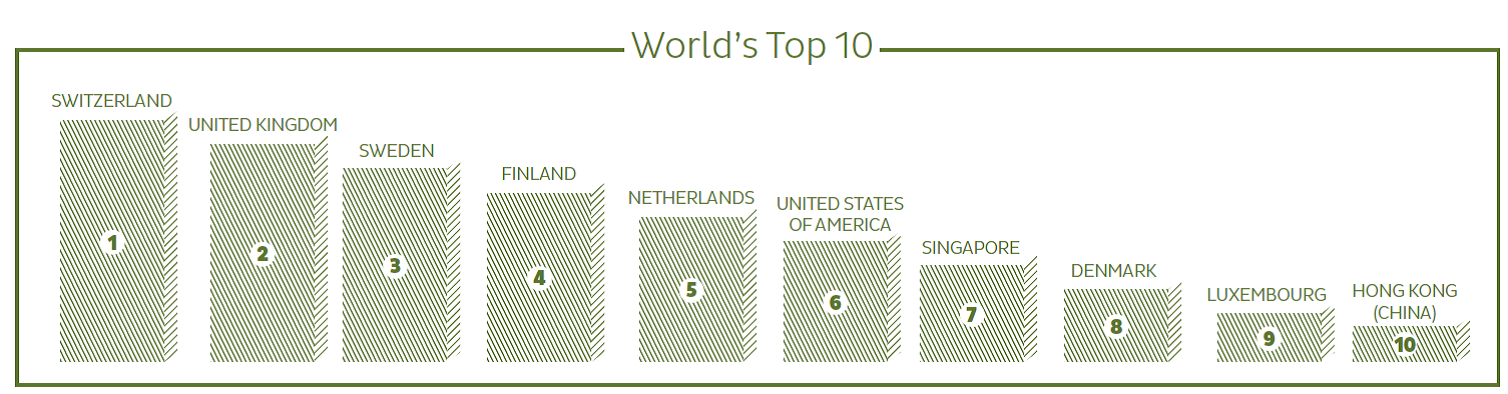 Because the IP firm LexDellmeier is headquartered in Munich, Germany, we are pleased to take note of the fact that Germany – even if not one of the top ten – at least ranks 13th this year.
All of these GII leaders have created well-linked innovation ecosystems, where investments in human capital connected with strong innovation infrastructures contribute to high levels of creativity. Especially the top 25 countries in the GII constantly score high in most indicators and have strengths in areas such as innovation infrastructure, including information and communication technologies; business sophistication such as knowledge workers, innovation linkages, and knowledge absorption; and innovation outputs such as creative goods and services and online creativity.
2.Leaders of the regions:
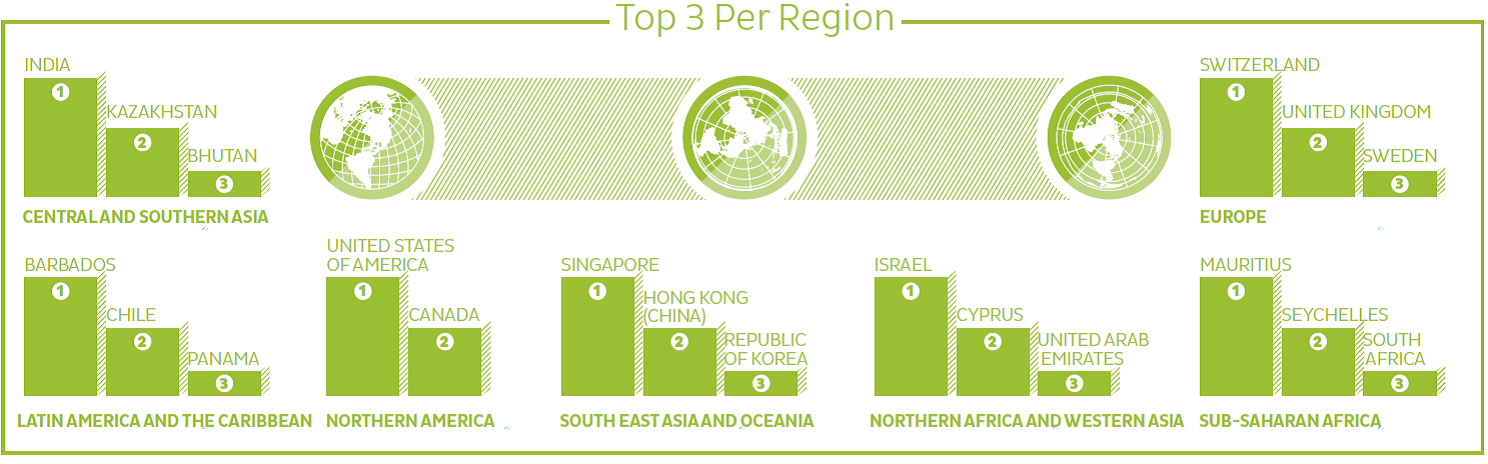
As can be taken from the chart below the leaders in the various regions are: India in Central and Southern Asia, Switzerland in Europe, Barbados in Latin America and the Caribbean, the US in Northern America, Singapore in South East Asia and Oceania, Israel in Northern Africa and Western Asia, Mauritius in Sub-Saharan Africa.
Because the IP firm LexDellmeier is headquartered in Munich, Germany, we are pleased to take note of the fact that Germany – even if not one of the top ten – at least ranks 13th this year.
All of these GII leaders have created well-linked innovation ecosystems, where investments in human capital connected with strong innovation infrastructures contribute to high levels of creativity. Especially the top 25 countries in the GII constantly score high in most indicators and have strengths in areas such as innovation infrastructure, including information and communication technologies; business sophistication such as knowledge workers, innovation linkages, and knowledge absorption; and innovation outputs such as creative goods and services and online creativity.
2.Leaders of the regions:
As can be taken from the chart below the leaders in the various regions are: India in Central and Southern Asia, Switzerland in Europe, Barbados in Latin America and the Caribbean, the US in Northern America, Singapore in South East Asia and Oceania, Israel in Northern Africa and Western Asia, Mauritius in Sub-Saharan Africa.
 For more detailed information and the full report including charts, overviews and other statistics please see:
http://www.wipo.int/export/sites/www/freepublications/en/economics/gii/gii_2014.pdf
For more detailed information and the full report including charts, overviews and other statistics please see:
http://www.wipo.int/export/sites/www/freepublications/en/economics/gii/gii_2014.pdf

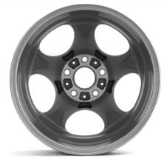
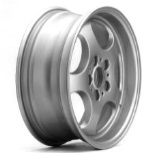
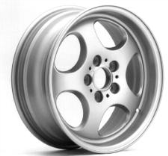
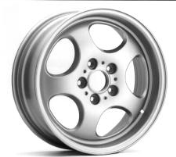
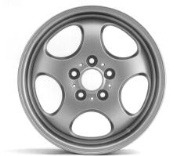
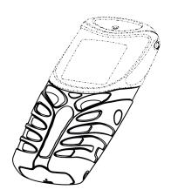
 Example 2: A mobile phone keypad can be protected as a part.
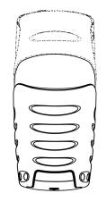
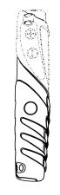
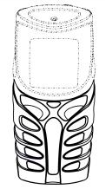
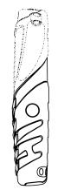
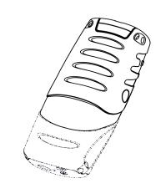
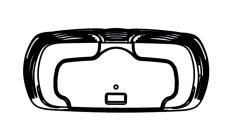 For establishing design protection, it is necessary that the design is new and has individual character. To establish novelty, the design must vary from any other prior designs. The character of a design is individual, if the overall impression it produces on the informed user differs from the overall impression produced on such a user by any design which has been made available to the public. An informed user is a person, who is particularly observant and who has some awareness of the previous state of art. Where a design forms part of a more complex product, the novelty and individual character of the design are judged on the part of the design which is visible during normal use.
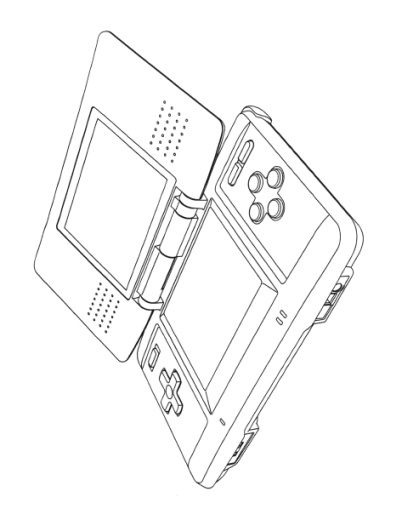
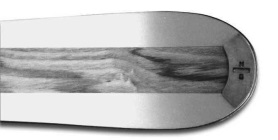
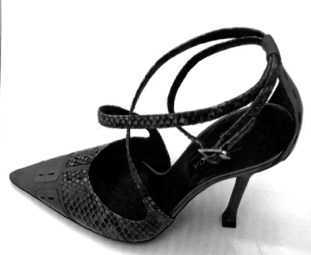
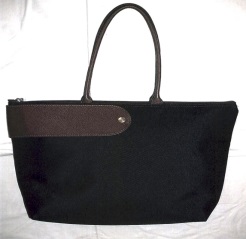
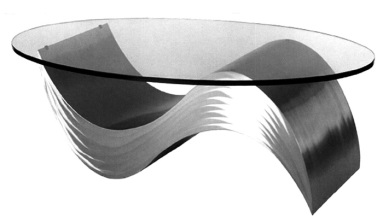
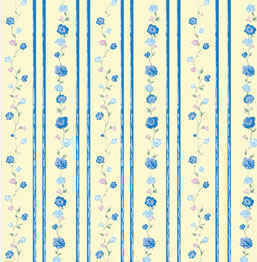
Otherwise, there is a high variety of protectable products including furniture, clothing, graphic symbols, icons etc. as can be taken from the following examples:
For establishing design protection, it is necessary that the design is new and has individual character. To establish novelty, the design must vary from any other prior designs. The character of a design is individual, if the overall impression it produces on the informed user differs from the overall impression produced on such a user by any design which has been made available to the public. An informed user is a person, who is particularly observant and who has some awareness of the previous state of art. Where a design forms part of a more complex product, the novelty and individual character of the design are judged on the part of the design which is visible during normal use.
Otherwise, there is a high variety of protectable products including furniture, clothing, graphic symbols, icons etc. as can be taken from the following examples:


 3. Unregistered and Registered Designs
It is possible to receive protection via an unregistered or a registered EU Design.
a) Unregistered Community Design
The unregistered Community Design has been available since 6 March 2002. It grants the right to inhibit commercial use of intentional copies of the protected design, which are made in bad faith. An unregistered Community Design protects the design for three (3) years from the date on which the design was first made available to the public. There are no possibilities to extend the protection.
b) Registered Designs
Registered Community Designs came into effect on 1 April 2003. They are protected against similar designs even when the infringing design has been developed in good faith. It is primarily valid for five (5) years from the date of filing and can be renewed in blocks of five (5) years up to 25 years.
c) Advantages and Disadvantages
Both of them have advantages and disadvantages. A registered design is stronger and more transparent because it is easy to prove the ownership. An unregistered Design is free of charges, but, it is difficult to prove that a design has been intentionally copied and that the infringer is in bad faith.
4.Application Procedures
An unregistered Community Design gives automatic protection without the need for registration. To obtain a registered Community design, it is necessary to file a formal application. Therefore, especially drawings or photographs showing all features of the design have to be shown (see at the examples of the protection of a whole product or a part of it). The filed application (up to seven (7) views) will be reviewed by the Office for Harmonization in the Internal Market (OHIM). This review proceeding only takes about 3-5 working days, because no substantial examination takes place. OHIM only “examines” if
3. Unregistered and Registered Designs
It is possible to receive protection via an unregistered or a registered EU Design.
a) Unregistered Community Design
The unregistered Community Design has been available since 6 March 2002. It grants the right to inhibit commercial use of intentional copies of the protected design, which are made in bad faith. An unregistered Community Design protects the design for three (3) years from the date on which the design was first made available to the public. There are no possibilities to extend the protection.
b) Registered Designs
Registered Community Designs came into effect on 1 April 2003. They are protected against similar designs even when the infringing design has been developed in good faith. It is primarily valid for five (5) years from the date of filing and can be renewed in blocks of five (5) years up to 25 years.
c) Advantages and Disadvantages
Both of them have advantages and disadvantages. A registered design is stronger and more transparent because it is easy to prove the ownership. An unregistered Design is free of charges, but, it is difficult to prove that a design has been intentionally copied and that the infringer is in bad faith.
4.Application Procedures
An unregistered Community Design gives automatic protection without the need for registration. To obtain a registered Community design, it is necessary to file a formal application. Therefore, especially drawings or photographs showing all features of the design have to be shown (see at the examples of the protection of a whole product or a part of it). The filed application (up to seven (7) views) will be reviewed by the Office for Harmonization in the Internal Market (OHIM). This review proceeding only takes about 3-5 working days, because no substantial examination takes place. OHIM only “examines” if
- the application has formal defects,
- the design conforms with public policy and accepted principles of morality,
- the applied design is qualified to get design protection.
- A registration fee of 230 Euros
- A publication fee of 120 Euros
- A registration fee of 115 Euros
- A publication fee of 60 Euros
- A registration fee of 50 Euros
- A publication fee of 30 Euros
 The Power 100 is an annual research study produced by one of the world's leading independent brand valuation and strategy consultancy. The study monitors the power of the world's leading spirits and wine brands since nine years. Just recently the results of the study for the year 2014 were published.
Introduction
From nearly 10,000 brands in the spirits and wine sectors the study determines the 100 most powerful spirits and wine brands in the world. The value of a brand is determined by a series of factors. A distinction is made between hard and soft measures.
Hard factors
- Share of market: volume based measure of market share
- Brand growth: projected growth based on 10 years historical data and future trends
- Price positioning: a measure of a brand's ability to command a premium
- Market scope: number of markets in which the brand has a significant presence
Soft factors
- Brand awareness: a combination of prompted and spontaneous awareness
- Brand relevancy: capacity to relate to the brand and a propensity to purchase
- Brand heritage: a brand's longevity and how it is embedded in local culture
- Brand perception: loyalty and desire for ownership
Procedure
A panel of leading experts in the drinks industry individually ranked each brand out of 10 on the above measures. The scores given by the different panel members were combined and averaged to reach a total score for each brand. A total score was reached by multiplying a brand's weighted volume by its brand score, within a defined range. The weighting is designed to adjust the volumes to a comparable level. Brand score is a derivative of the eight measures of brand strength.
Influences of the Developments
First of all, the study of 2014 shows that there was a significant growth in the drink market, because of economic growth. The leading alcoholic drink in the world is whiskey. Also the study found out that Scotland is the top country for producing drink brands.
The Top 3 of 2014
The Power 100 is an annual research study produced by one of the world's leading independent brand valuation and strategy consultancy. The study monitors the power of the world's leading spirits and wine brands since nine years. Just recently the results of the study for the year 2014 were published.
Introduction
From nearly 10,000 brands in the spirits and wine sectors the study determines the 100 most powerful spirits and wine brands in the world. The value of a brand is determined by a series of factors. A distinction is made between hard and soft measures.
Hard factors
- Share of market: volume based measure of market share
- Brand growth: projected growth based on 10 years historical data and future trends
- Price positioning: a measure of a brand's ability to command a premium
- Market scope: number of markets in which the brand has a significant presence
Soft factors
- Brand awareness: a combination of prompted and spontaneous awareness
- Brand relevancy: capacity to relate to the brand and a propensity to purchase
- Brand heritage: a brand's longevity and how it is embedded in local culture
- Brand perception: loyalty and desire for ownership
Procedure
A panel of leading experts in the drinks industry individually ranked each brand out of 10 on the above measures. The scores given by the different panel members were combined and averaged to reach a total score for each brand. A total score was reached by multiplying a brand's weighted volume by its brand score, within a defined range. The weighting is designed to adjust the volumes to a comparable level. Brand score is a derivative of the eight measures of brand strength.
Influences of the Developments
First of all, the study of 2014 shows that there was a significant growth in the drink market, because of economic growth. The leading alcoholic drink in the world is whiskey. Also the study found out that Scotland is the top country for producing drink brands.
The Top 3 of 2014

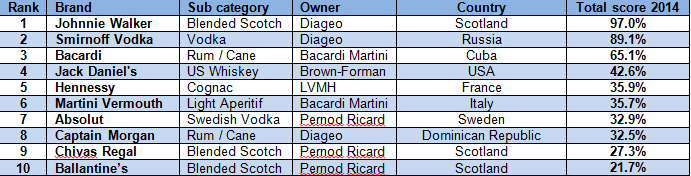
- As you can see, the most valuable spirit brand in the world in 2014 is “Johnnie Walker”. The blended scotch had already been the strongest brand in 2013. One of the reasons for the great success is that Diageo plc, as the owner of the brand produces special edition variants, for example, the 2014 Spice, Gold and Royal Route Editions.
- The closest competitor “Smirnoff” has an 8% total score difference to “Johnnie Walker”. “Smirnoff” is also a brand of Diageo plc. The brand marketing is working with flavoured varities to keep the vodka attractive.
- Third place is taken by Bacardi. The recipe of success of Bacardi is volumes growth, a majority share of the market and a rich brand heritage.
 To see the whole study follow the link: http://www.drinkspowerbrands.com
GLAMOUR vs. GLAMOUR TUDOR
Decision The EGC compared the signs and took note of the fact that both designations share the component “GLAMOUR”. Then the court pointed out that according to the size, number of letters and syllables the word “GLAMOUR” is as important as the first element “TUDOR” within the earlier trademark. The differences between the two signs are not sufficient to rule out the phonetic and visual similarity stemming from the identical second word “GLAMOUR” which is the only part of the trademark. The word “GLAMOUR” stands for splendor and prestige and the word “TUDOR” refers to the Tudor dynasty which was a royal house of Welsh origin which ruled the Kingdom of England in the 15th and 16th centuries. Therefore, the part of the relevant public with English and especially English history knowledge will recognize that the background of both trademarks is different. But, it appears to be problematic that a non-negligible part of the average consumer has no in depth knowledge about the English history and therefore this part will not understand the issue of the word “TUDOR”. On the other hand the word “GLAMOUR” is known by a huge part of the relevant public, who is command of standard English. For this major part of the relevant public which has no English and English history skills the component “TUDOR” has no meaning. Consequently, the majority of the average consumer will only perceive “GLAMOUR” as the main and dominant component. Therefore the court decided that a likelihood of confusion exists and the application “GLAMOUR” is confusingly similar to the prior trademark “TUDOR GLAMOUR” and therefore may not be registered.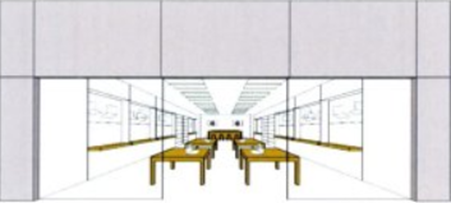 Subsequently, Apple sought to extend this trademark internationally. In January 2013, the German Patent and Trademark Office (GPTO) refused the extension of that three-dimensional international trademark to Germany because they were of the opinion that the depiction of the space devoted to the sale of the Apple’s products was nothing other than the representation of an essential aspect of that company’s business. The GPTO considered that while it is true that consumers may perceive the layout of such a retail space as an indication of the quality and price bracket of the products, they would not see it as an indication of their commercial origin. Besides, it considered that the retail store depicted in the case before it was not sufficiently distinguishable from the stores of other providers of electronic products.
Therefore Apple, appealed to the German Federal Patent Court against the GPTO’s refusal decision. The German Federal Patent Court considered that the layout depicted by the three-dimensional trademark has features that distinguish it from the usual layout of retail stores in that electronic sector. But, the court was not sure if it is compatible with European law. Therefore, it asked the CJEU for a Preliminary Ruling.
Preliminary Ruling
The CJEU decided that the representation by a design of the layout of a retail store may be registered as a trademark for services consisting in services relating to those goods, but, which do not form an integral part of the offer for sale thereof, provided that the sign is capable of distinguishing the services of the applicant for registration from those of other undertakings and that registration is not precluded by any of the grounds for refusal set out in that directive. Therefore, the German Federal Court now has to decide if Apple's “flagship store” (a) constitutes a sign, (b) is capable of graphic representation and (c) is capable to distinguishing Apple's goods and services from those of other companies.
Subsequently, Apple sought to extend this trademark internationally. In January 2013, the German Patent and Trademark Office (GPTO) refused the extension of that three-dimensional international trademark to Germany because they were of the opinion that the depiction of the space devoted to the sale of the Apple’s products was nothing other than the representation of an essential aspect of that company’s business. The GPTO considered that while it is true that consumers may perceive the layout of such a retail space as an indication of the quality and price bracket of the products, they would not see it as an indication of their commercial origin. Besides, it considered that the retail store depicted in the case before it was not sufficiently distinguishable from the stores of other providers of electronic products.
Therefore Apple, appealed to the German Federal Patent Court against the GPTO’s refusal decision. The German Federal Patent Court considered that the layout depicted by the three-dimensional trademark has features that distinguish it from the usual layout of retail stores in that electronic sector. But, the court was not sure if it is compatible with European law. Therefore, it asked the CJEU for a Preliminary Ruling.
Preliminary Ruling
The CJEU decided that the representation by a design of the layout of a retail store may be registered as a trademark for services consisting in services relating to those goods, but, which do not form an integral part of the offer for sale thereof, provided that the sign is capable of distinguishing the services of the applicant for registration from those of other undertakings and that registration is not precluded by any of the grounds for refusal set out in that directive. Therefore, the German Federal Court now has to decide if Apple's “flagship store” (a) constitutes a sign, (b) is capable of graphic representation and (c) is capable to distinguishing Apple's goods and services from those of other companies.