

The Uniform Domain Name Dispute Resolution Policy, better known as UDRP, offers a sustainable alternative for litigation by means of standardized dispute resolution for cybersquatting cases. In order to enhance predictability and legal security, in May 2017 WIPO released its “WIPO Jurisprudential Overview 3.0” to give an insight into WPO´s Panel consensual views.

When someone registers another´s trademark in bad faith, cybersquatting is most likely to take place. Acknowledging the cross-broader nature of the cybersquatting, WIPO took action in 1999 to provide a uniform procedure to address disputes concerning domain names, establishing the Uniform Domain Name Dispute Resolution Policy. With its nearly 500 experts representing over 60 nationalities, WIPO seeks to ensure a fair and predictable arbitration procedure, flexible enough to adapt to the changing needs of the internet era. Up to now, WIPO has administered and decided more than 37,000 UDRP cases involving parties from more than 170 countries. Globally addressed as best-practice, it is also contributing to country code top-level domain (ccTLD) dispute resolution policies.
An ever-increasing amount of cases is resolved in WIPO´s arbitration which proves it to be a popular alternative to resolve disputes of trademark abusive behavior. In 2017, WIPO has managed almost twice as many cases compared to its previous overview on the issue published in 2011.
Consistency is one of the key elements affecting UDPR overall credibility. Even though it does not operate on a strict doctrine of binding precedent, panels actively pay attention to the similarities of the facts and circumstances of the cases, taking the previous decisions into account. However, it should be noted that the decision making has to be exclusively based on the details applying to a specific case.
Due to the large increase of cases, this third overview cites roughly 1,000 decisions of the panel, offering a comprehensive view of the consensus of WIPO UDPR Panels. The updated third edition summarizes panel views on a wide range of both substantive and procedural issues, representing prevalent and essential cases.
Do you have some questions to be answered? Take a closer view of the WIPO publication here.
Innovation is one of the key factors driving economic growth and development.
This year we are celebrating the 10th anniversary of the well-known Global Innovation Index (GII), which gives a fresh view to the measuring of innovation worldwide.

The GII ranks innovation capabilities and results of world economies. It was first introduced by INSEAD in 2007, and today it is co-published with Cornell University and the WIPO, in collaboration with the 2017 GII Knowledge Partners who, by means of analytics and case studies contribute to the elaboration of GII.
With its 127 economy profiles representing over 97% of global GDP, as well as dozens of other detailed metrics, it has become the leading bench-marking tool. Combining the traditional measures of innovations and new methods, and taking into account multiple indicators, this annually-published index represents a truly broad-based model of innovation. Starting from 2017, GII includes also “invention hotspots” as a special section, focusing on the density of inventors listed in patent applications.
The theme of the GII 2017 is “Innovation Feeding the World”, acknowledging the challenge of combining the rapid growth of world population together with the limited amount of natural resources. As the global demand is on a rapid rise, the optimization of supply and distribution chains, as well as new inventions and creative business models in sustainable food production are called for. Furthermore, as sustainable agriculture and food production require long-term solutions, the effects of climate change in the coming decades cannot be left unnoticed.
Key Findings
According to the GII 2017, the top five most novelty-focused countries in 2017 are Switzerland, Sweden, the Netherlands, the USA and the United Kingdom. High-income economies have traditionally kept the top 25 spots of the ranking, with the exception of China, as the only middle-income nation. Europe, on the other hand, has been dominating the ranking, as 15 of the top 25 best performing economies are European. The key drivers of progress in Europe have been human capital and research, infrastructure as well as business sophistication.
The group of “innovation achievers”, consisting of middle and lower-income economies that are performing better than expected by their current level of development, has been growing. This cluster of 17 countries best represents the innovation incline in the Sub-Saharan Africa region, as nine of the innovation achievers are located there. In addition, Asia has become more and more important with its so-called “innovation tigers”. As Japan, Hong-Kong, Singapore and the Republic of Korea have kept their places as the top innovators of the region, new Asian tigers, including Vietnam, Indonesia, and the Philippines, are emerging and joining the group.
Despite the Asian tigers´ success, it seems that India is the up-and-coming novelty center in Asia. There is great potential that, if India continues its outstanding performance in the following years and collaborates with the new Asian tigers, a whole new engine for worldwide innovation may emerge.
On the other hand, economies in Latin America and the Caribbean have yet to discover their potential as their performance currently remains lower than is expected, in regards to their level of development.
In addition, a lingering large gap in innovative capacity is found to exist between the developed and the developing countries, especially regarding institutions, human capital and research, infrastructure and creative outputs. Furthermore, the amount of R&D activities has remained lower in comparison to previous years.
For more information on innovation worldwide, explore the whole ranking and full report of 2017 here.
We have often talked about the correlation between a brand and intellectual property. In the simplest of terms, one can hardly go without the other. Recognizing the importance of brands for the economy, Interbrand, a global consultancy, started publishing their annual Interbrand Breakthrough Brands list. The 2017 one has been made available recently and can be found here.
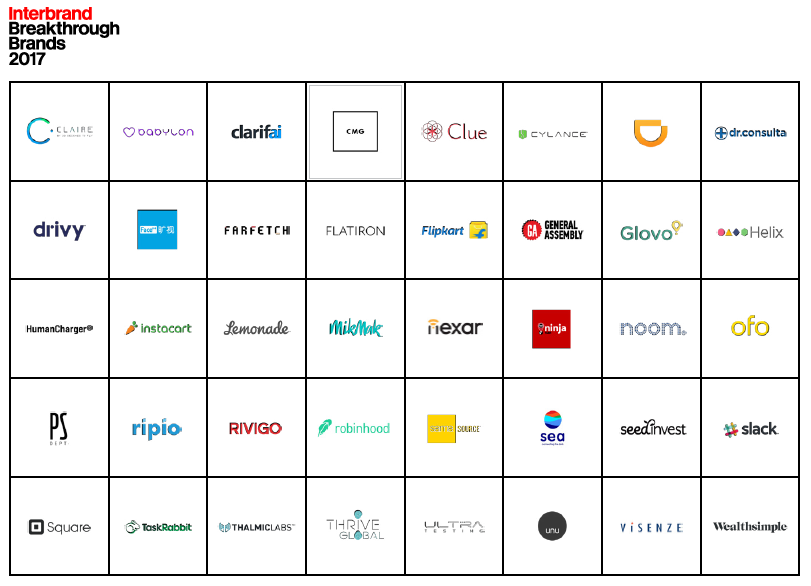
First of all, it should be said that the report highlights breakthrough moments, not breakthrough companies. It does not differentiate a well-established firm from a start-up. A breakthrough moment might occur when a company is first starting its journey, but also when it faces a crossroads and is forced to change strategies. What makes these companies special from a sea of similar competitors is their perseverance. In their own words: “What makes Interbrand Breakthrough Brands so remarkable is not just that they’re growing, but that they’ve figured out how to hold on to growth.” And the way they do it is by continuously fortifying their brands.
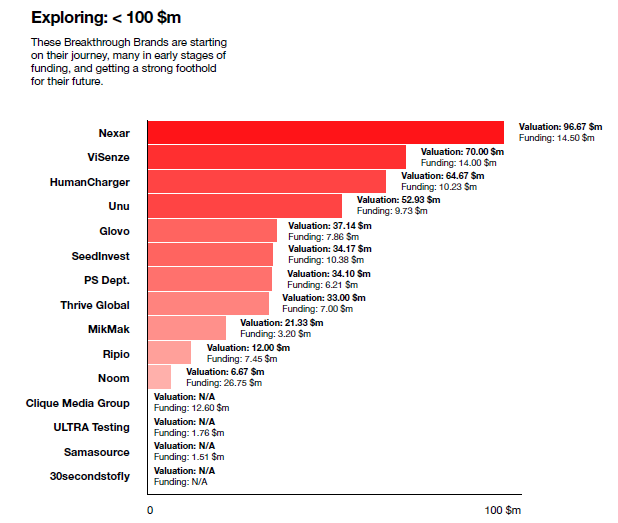
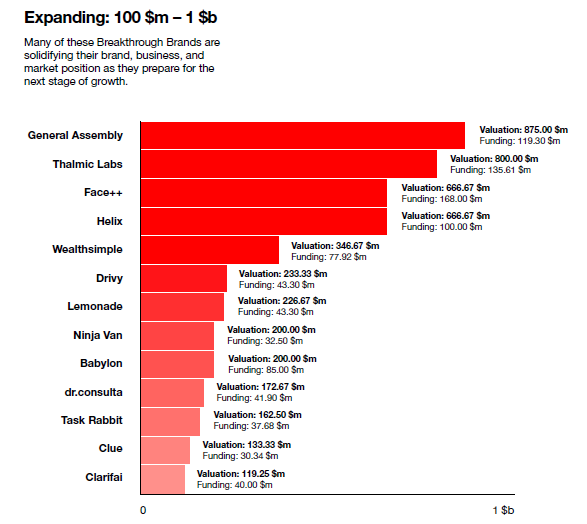
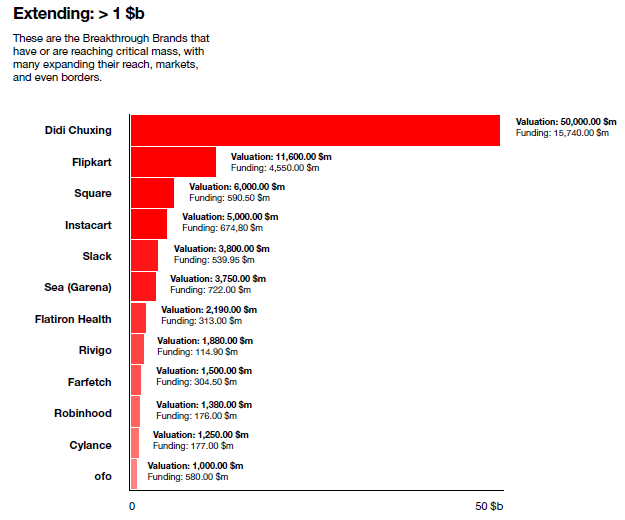
“Second time arounders”: brands from 2016’s list
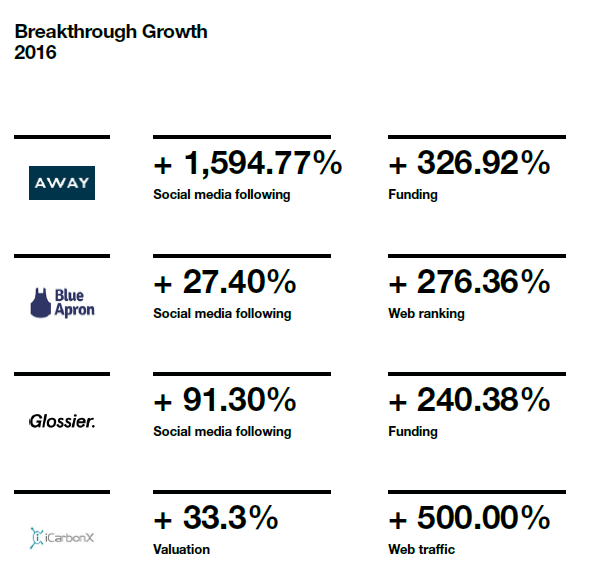
There are several brands which were also on the 2016 list, meaning that they added on their previous year’s accomplishments. The biggest success story comes from Away, a luggage manufacturer on a mission to create the perfect affordable lightweight suitcase. They seem to be on the right path, as their social media following increased by a staggering 1595%, and their funding is over three times larger. Also experiencing a social media boom is a tampon manufacturer LOLA, with 8620% growth. The biggest web ranking leap comes from Germany, with their muesli producer mymuesli noting an almost 10000% surge.
Bettering the world
 There are three things that seem to be a common thread between the Breakthrough Brands: they are all relying on artificial intelligence in their work, as well as technology, while retaining a high level of social consciousness and directing their creativity towards solving some of the societal problems along the way. The perfect example would be Samasource, a non-profit organization that fights poverty by employing impoverished people from around the globe and teaching them to work in the field of digital technology.
 Another way of life quality improvement is creating the so-called “life hacks”, and simplifying our everyday lives. That is the task of, e.g. Instacart, a company worth 5 billion dollars. What does it do? It eases your shopping, bundling grocery orders from different vendors into one and delivering it to your doorstep.
 Also falling into this category is the change in the mobility sector. Vehicle-sharing has reached new hights, with its geographical expansion, as well as the diversity in transportation type. At the helm is 50 billion dollar-worth Didi Chuxing, a Chinese ride-sharing platform. Following is ofo, a bicycle-sharing app, worth 1 billion dollars.

The use of Artificial Intelligence in our everyday lives
It is highly likely that AI will have influence our society more and more. Cylance, for example, is already a modern-day superhero, despite the majority of us have never heard of it. It is an AI program that anticipates hackers’ moves and reacts accordingly, protecting our personal data from attacks. Nexar prevents car crashes by alerting us in time of possible collisions.


A rtificial intelligence is also present in the field of medicine. New companies are using AI for more than mere damage control, they are increasingly using it for prevention purposes. Flatiron Health uses the technology to connect cancer centers, accelerating the pace of research and innovation. On a more day-to-day basis, British Babylon eliminates the need to go and see a doctor.
  Whether you require a prescription or a consultation, a specialist will tend to your health online, without the long waiting time in front of the doctor’s office.
The perks of technology
T echnology changed the way we approach most things in our lives. Banking is one of the fields highly affected by it. It is safe to say that banking as we knew it is history, as more and more of its elements are transposed into the virtual realm, sometimes completely avoiding the “traditional” bank. Square, now worth 6 billion dollars, is continuously changing the face of the financial world. Starting as a credit card reader connected to a mobile phone or a tablet, it grew to service both merchants and individuals, and now even offers loans. 1,4 billion dollar Robinhood brand excludes brokers from trade by giving the role of the investor directly to the individual (therefore eliminating the commission fee).

 Another activity highly influenced by the benefits of the modern era is shopping. As we have seen with Instacart, the new motto is: “the simpler, the better”. And nowadays, e-commerce is expanding insuppressibly. Flipkart, “the Indian Amazon”, has found its way to the Breakthrough list, already valuing at over 11 billion dollars. Spanish Glovo has taken delivery to a whole other level: whatever you want, at any time, within the next hour. It is no wonder that it has become an almost 40 million dollar company in two years, although still territorially limited to Spain.

Situation in Europe
 The trends we have talked about on a global level could be transposed to the European territory. The innovation might come from the government, like with the Italian integration of all transportation systems, or with the British BBC, digitalizing their media content offerings.
  However, this does not mean that the value of start-ups has not been recognized. Spain, France, Germany and the Netherlands are infusing more and more money into smaller companies, promoting novelty and innovation.
 Game-changing companies in the medical field include Babylon, HumanCharger, and Clue. Dedicated to changing the way we do our banking, we have Atom Bank and Monzo. Personalization is getting more significance among the European population, with mymuesli, Unu, Hawkers, Glovo, Wallapop and many other firms, showing that our virtual experiences, with a little personal touch, can go above and beyond. Also, trends show we are using technology to simplify our lives, while maintaining demands for high quality. Therefore, brands like Airbnb, car2go or Drivy show the ways we can utilize our resources to the maximum, while helping others, offering them the option of renting, instead of buying.
On 1 June 2017, WIPO introduced a new system of tracking international trademark applications: and in comes the Madrid Monitor!

The Madrid Monitor has now become a one-stop shop for searching and monitoring the status of registered trademarks, meaning that ROMARIN, Madrid E-Alert and Madrid Real-Time Status are to be retired later this year. The Monitor has a new, polished search matrix, allowing you to conduct your searches according to a text, number, date, class, country, or a mix of those in the advance search option. A helpful new addition is the autocomplete tool, which offers to end your input by matching it to the TM database. Also, there are the image and realtime search, giving you more options and better adjusting to your needs. In case you decide to monitor a trademark post-search, you can set up email alerts that will notify you of all the changes with the trademark of interest.
Despite the novelties, adapting to the new system should not be much of a problem. Its interface, while making your searches easier and more efficient, still highly resembles ROMARIN´s. The new system could therefore be considered as an irrefutable upgrade or a welcomed change, instead of a replacement.
For a guide on how to use Madrid Monitor, please click here.
Every quarter WIPO updates IP professionals with all novelties in the Madrid System. Published on 18 April 2017, this year´s first newsletter starts with the recollection of WIPO´s record-breaking 2016 and the statistics behind it (for our summary, click here).
The latest edition of the Nice classification (the 11th edition) brought the next big change to the IP world. It introduced over 300 new terms, made minor changes to Class 15 headings and significant changes to the Explanatory notes. The Madrid Goods and Services Manager (MSG) adapted to the alterations, enabling a precise estimate of the result of your application. Combined with the newly published "Examination Guidelines Concerning the Classification of Goods and Services in International Applications", a detailed guide through the examination principles, applying for an international trademark should be clearer than ever.
Other changes revolve around making the System more customer-friendly. Firstly, the Highlights reminded of the opportunity of obtaining certified copies of extracts, legalized by a non-member of the Madrid System. It only takes one email to Madrid Client Records Unit specifying all the necessary requirements, to get your copy. Secondly, the new year brought the Automatic Call Distribution System (ACD), a system redirecting callers to WIPO customer service staff speaking the customer´s preferred language (the choice being between English, French and Spanish). Finally, a guide on filling out the Madrid forms, called “Making the Most of the Madrid System” has become available in three languages (again in English, French and Spanish.
Marques needs little introduction in the IP community. It is a European association, aiming to educate and help brand and trademark owners to navigate through the demands of the global economy. One of the methods of achieving their goal is through conferences, meetings, and events. Always focusing on a currently problematic topic, the latest series of lectures was on industrial designs, titled “Mastering the Hague Agreement: from Asia to the USA, through the EU”. Additional focus was put on the 2014/2015 newcomers to the Hague family, namely South Korea, Japan and the US.

On 25 April 2017 it was Munich´s IP practitioners’ turn to listen to the amazing, concentrated presentations delivered by Gregoire Bisson, WIPO´s The Hague Registry Brands and Designs Sector Director, and Oliver Nilgen, a member of the Marques Designs Team.
Mr. Bisson introduced us to the “Experiences gained after the accession of South Korea, Japan and the USA”. He outlined the benefits of the Hague system, especially in given the varsity of national systems, usually very different to the European one. Given that, the European lawyers seem to have struggles adapting, resulting in a myriad of refused applications. With a familiar and uniform scheme, the percentage of formal errors was reduced. However, the problem is still persistent with the high number of refusals by the national IPOs. The most common arguments are the lack of novelty or unity of the design and insufficient disclosure (entailing e.g. an inadequate number of angles to create a well-rounded idea of the design or discrepancies among the views). Another factor preventing registration might be a lack of a suitable description, necessary to clarify what exactly is to be protected. Although all of the legislations mentioned above have their own personalized “slippery slopes” (e.g. Korea´s non-acceptance of logo-designs), a common thread with preventing rejection is to make the application as specific and precise as possible, using as many descriptions and tools available (such as legends, etc.)
Mr. Nilgen´s summary perfectly supplemented the previous one, presenting us with the characteristics of the pictures and portrayals which ought to result in a universal acclaim by the national IPOs. The limelight was set on the requirement of precision of the design application, describing several examples of “what-not-to-do”. The value of this presentation was that it was a practical guide, a result of years and years of experience, adding colors to the contours drawn by the previous lecture.
For more information on worldwide design registration and registrability, please consult WIPO´s Guidance on Preparing and Providing Reproductions in Order to Forestall Possible Refusals on the Ground of Insufficient Disclosure of an Industrial Design by Examining Offices and Guide to the International Registration of Industrial Designs.
You probably thought that the Adidas saga reached its end with last year´s European Court of Justice (ECJ) ruling (case C‑396/15 P, summary). As it seems, the reality is different. In fact, with the latest EUIPO decisions on the three stripes, in all likelihood, we are at yet another beginning.
Background of the case
 Adidas has been sporting their three stripes since their early days in 1949. Even the founder, Adolf Dassler, referred to the company as “the three stripe company”. However, IPOs around the world have been harder to persuade and the cases usually reached national and international courts. In 2016, the ECJ ended a six-year old battle between Adidas and their competitor Shoe Branding Europe BVBA, giving recognition to Adidas´ three-striped shoes. Stating that the popular decoration has acquired distinctiveness through years of use, the decision meant a halt to the production of all sneakers with anything from two to five stripes.
However, the recent case in front of EUIPO´s Board of Appeal might be in discord with this ruling. On 21 May 2014, Adidas registered a figurative mark (EUTM no: 012442166), with the description of “the mark consists of three parallel equidistant stripes of equal width applied to the product in whatever direction”. Their aforementioned rival Shoe Branding Europe contested the mark in December 2014, claiming that the trademark is indistinctive and incorrectly registered, with its description pointing to a position, and not a figurative trademark. Adidas responded that their claims against Adidas were contradicting and baseless, as Shoe Branding itself filed for registration of several two-striped trademarks. In addition, they offered sales figures, advertisements and surveys showing enhanced recognition among sportswear buyers throughout Europe. Nevertheless, EUIPO´s Cancellation Division was not convinced (decision 10 190 C of 30 June 2016). Firstly, they dealt with the topic of the nature of the sign. Due to the confusion the description was causing, the Division was of the opinion that the trademark should not have been registered in the first place. As it was registered, and as a figurative mark, only the sign strictly matching its graphical representation ought to be taken into consideration (meaning “in all positions” part is invalid). Talking about the enhanced distinctiveness, the Cancellation Division stated that the three lines would most likely go unnoticed with most of the consumers, let alone be connected to a specific producer. Labeling them as “banal”, they thought they should be open for use for their competitors as well. The Division made an interesting remark on what might change the simplicity of the mark, and consequently, their opinion. Stating that if the lines were put in front of a different-colored background, or within a geometrical figure, that that might be the deciding element in catching the consumers´ attention. The question that comes to mind is whether that really makes a difference? For example, if the stripes were within a rectangle, would the consumers suddenly connect the lines to Adidas, if they previously have not? Would the color of the background really enhance the recognition rate, compared to the rather famous stripes? The answer to these questions is connected to the next paragraphs of the Division´s decision, tackling the acquired distinctiveness. The Cancellation Division was questioning if the “considerable sums of money invested by the EUTM proprietor in the Adidas brand, or the colossal sales achieved under the different Adidas trade marks (and name), translate into public recognition of the mark in question”. Skeptical, they invalidated Adidas´ trademark.
Decision of the Board of Appeal
Adidas appealed the Division´s decision (decision R 1515/2016-2 of 7 March 2017), claiming that an abundance of evidence showed the lines exactly as graphically represented and, even if the stripes were oriented differently, that would not change the distinctive character of the mark. Also, they pointed out the Division´s indifference, or even a negative attitude, regarding the evidence of enhanced distinctiveness.
The first remark the Board of Appeal made was about the nature of the mark. The controversial wording “in any position” was considered as the liberty of the trademark owner to place the mark on the product as they seem fit. Therefore, they did not share the Division’s opinion of the lines being a position trademark. They continued on to the core questions, whether the trademark was present on the offered evidence and if it had gained enhanced distinctiveness. They discarded all the evidence showing white stripes on a black or colored background, as, in their opinion, they represented two stripes on a white background, instead of three, thus significantly deviating from the graphical representation.
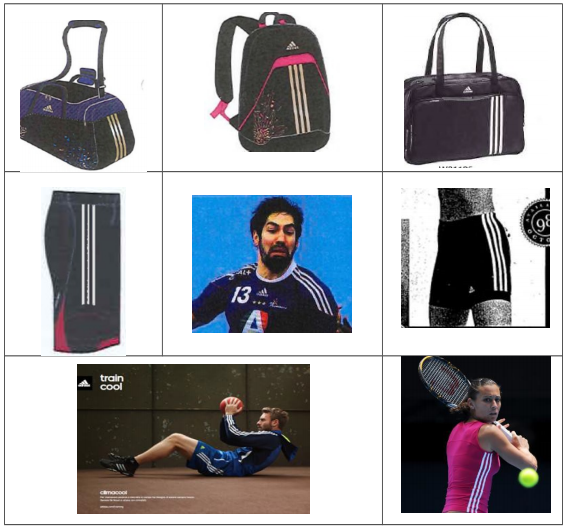
As for the other evidence, mainly showing the stripes accompanied by the word “adidas”, it was rejected on the grounds of serving as a decoration to the word. The Board´s disbelief of the mark being correctly used as a trademark resulted in diminishment of the value of turnover figures. Accompanied by their doubt that the relevant public associates the stripes with Adidas, especially on an EU-wide level, they considered the trademark as devoid of a distinctive character, be it inherent or acquired, upholding the Cancellation Division’s decision in its entirety.
Comment: It is yet to be seen if Adidas is going to take this case to the European General Court. Given their current record, it would not be unperceivable. We will keep you up to date with all the twists and turns of the Adidas saga.
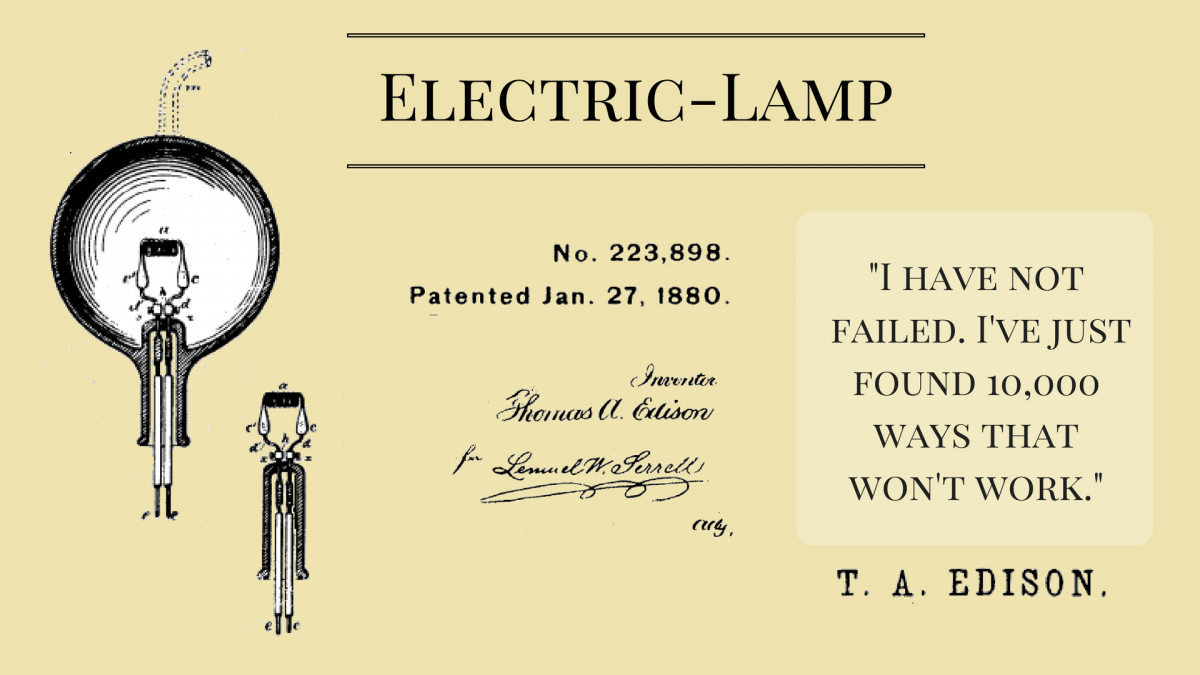
Do you know what is the link between the invention of the telephone and intellectual property? We all know Alexander Graham Bell as the one responsible for creating this groundbreaking item. However, evidence shows that the actual inventor was an Italian, Antonio Meucci. You may wonder, what kind of an upper-hand did Bell have over Meucci? The answer is: a patent, which Meucci could not afford. One 15$ patent application changed the course of history, with Meucci falling into oblivion, and Bell enjoying all the laurels.
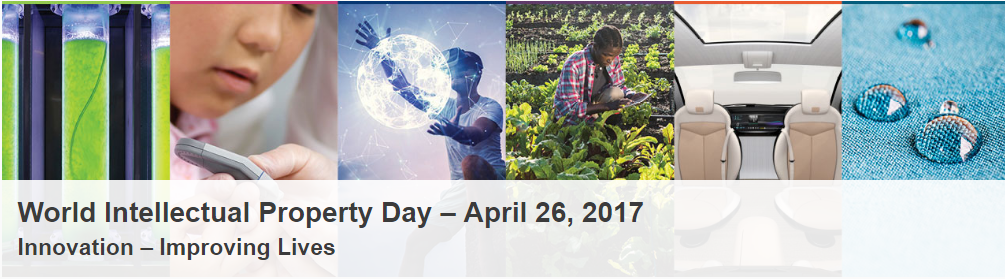
Every year we mark April 26 as the World Intellectual Property Day. It is the day when we are invited to take a moment to appreciate all the benefits provided by intellectual property. World Intellectual Property Organization (WIPO) celebrates this day by bringing light to different branches or aspects of IP and the ways they influence our everyday lives. This year, the focus is set on innovation.
So on this year´s World IP day, WIPO decided to celebrate inventors, their work and the novelties they bring to the world. Under the title “Innovation – Improving Lives”, lays an exploration of the influence of inventions in regards to the environment surrounding us. With it, WIPO´s aim is to attract new investments into R&D. Keeping researchers motivated and prolific results in immense benefits for everyone. It does not only satisfy societal needs, it also creates new revenues, bringing the wheel full circle.
About WIPO
WIPO is a global organization under the United Nations dedicated to creating an effective and thriving system for all types of intellectual property. Established in 1967, it counts 189 member states from all over the world. WIPO´s mission demands for a wide array of activities, from shaping policy for an ever-changing world of IP, offering dispute resolution mechanisms, dispersing technical infrastructure to ensure the necessary internationality, to enticing and supporting international cooperation.
For more information on World IP Day, please click here.
For more on WIPO, click here.
Heads up! The new wave of IP legislation changes comes into force in less than six months from now. As we all know, the new Trademark regulation (Regulation (EU) 2015/2424) came into force on 23 March 2016. However, a few crucial articles apply only from 1 October 2017 on.
What are the changes?
Most notably, the graphical representation requirement will be removed. Instead, the stipulation of a clear, precise, self-contained, easily accessible, intelligible, durable and objective representation will be sufficient. To clarify these conditions, EUIPO will offer additional information, as well as samples of acceptable formats.
Another big novelty is the introduction of EU certification marks. This is an EU trademark promising that certain EU-level requirements were fulfilled, differentiating manufacturer or service provider from others. Therefore, while a “regular” trademark indicates origin, a certification mark will indicate quality.
When speaking of procedural changes, filing a priority claim and the application will now have to be done together, as the previously given 2 months grace period has been subtracted. The simplification and modernization of procedural rules will lead to a faster and easier opposition, cancelation and appeal procedures. Also, in case of a parallel surrender of a EUTM and an ongoing revocation proceeding, EUIPO will suspend the surrender.
Smaller but significant changes include new rules on communication methods, translation requirements, structures of annexes, time limits, etc.
Next steps
It was announced that EUIPO is going to publish a first draft of the ever-helpful Guidelines on 02 May 2017, in order to make the transition into the new set of rules smoother. The final version is not foreseen until 1 October 2017, but the interim Guidelines are already expected to be of great help.
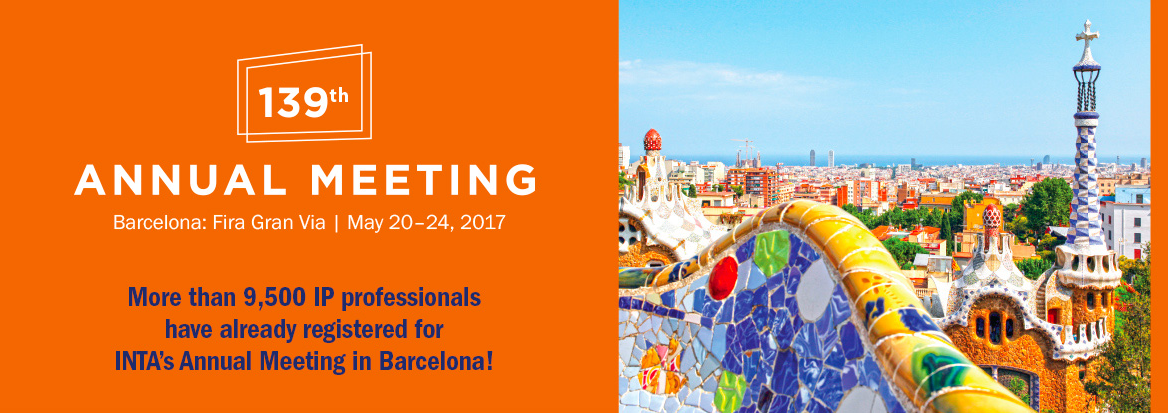
Every year in May, one city becomes the melting pot of all IP professionals. The “cause” is the International Trademark Association´s (or INTA, for short) annual meeting. Usually, the event takes place in the US. However, keeping true to the “IN” in “INTA”, the organizers try to leave North America every couple of years, and organize the meeting in another IP crossroads in the world. And after eight years of absence, the event is returning to Europe this year, as the location chosen is Spain, which is also the home of EUIPO. From 20 - 24 May 2017, Barcelona will host professionals from all over the world, introducing a new and diverse range of relevant IP-related topics, where everyone can find something of their interest.
Last year, the INTA Annual Meeting in Florida counted over 10,000 registrants, making it to most visited meeting thus far. However, it is likely that Barcelona will surpass this number, as the number of registrations has already reached 9,500. Like every year, among the attendees are members of LexDellmeier IP Law Firm. Heading the team is the firm´s founder, Mrs. Alexandra Dellmeier, an IP attorney with over 20 years of experience in the field. She also serves as a co-chair of the European division of the Public & Media Relations Committee of INTA. 2017 marks second year of the Committee´s existence, with the goal of bringing IP closer to the non-professionals. Also, another LexDellmeier team member (and a long-time INTA supporter!) coming to Barcelona is Ms. Andrea Breier, an IP attorney with over a decade of trademark experience in prosecution and litigation.
INTA is the largest association for trademark professionals, as well as trademark owners. With the idea of promoting fair competition and commerce, it brings light to the role of trademarks in trade and the reasons why they should be protected. Also, they show the importance and value of the international cooperation in trademark protection, being the gathering place of 7,000 organizations from 190 countries.
To find out more about INTA, click here.
If the INTA Annual Meeting peaked your interest, click here.